
HAMMAM NOURI
Description
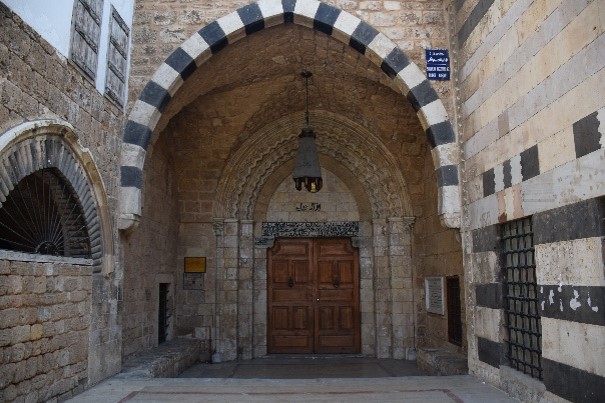
Located At the entrance ofLocated in Souk Al Nahassin, the Goldsmiths Market, close to the Mansouri Mosque, It wasuilt by
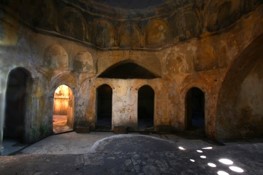
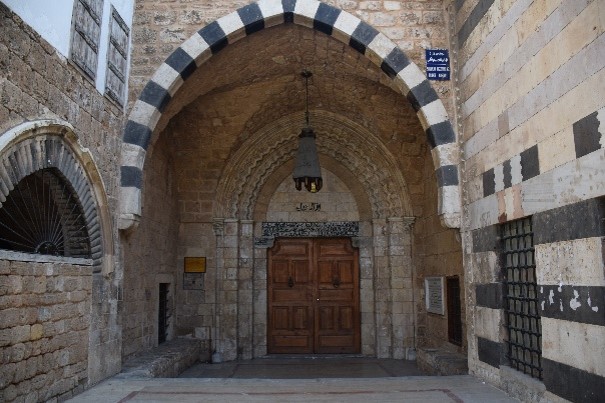
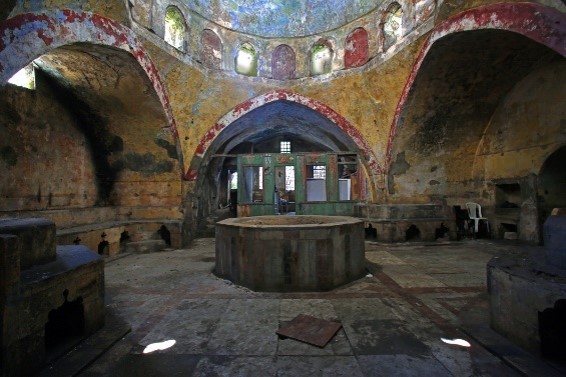
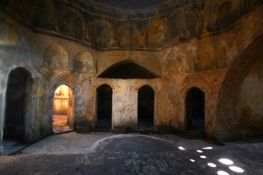
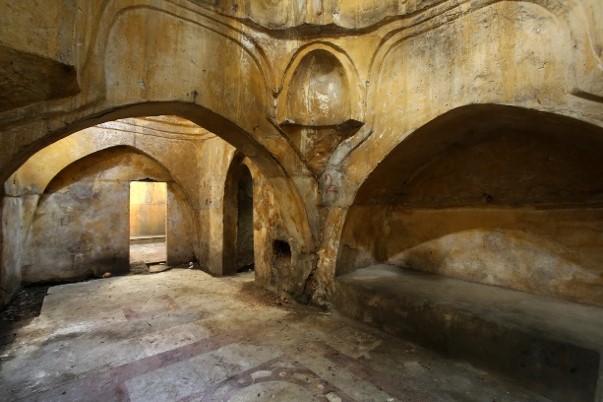
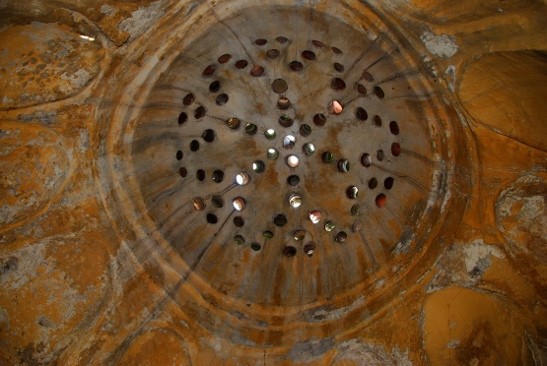
Prince Sunqur bin Abdullah Al-Nouri in the year 1310. The bathroom was built in the Mamluk era. The entrance to Hammam Al-Nuri is located under an arch that allows visitors to access a winding corridor and then to a large hall used for dressing. This hall is located under a large dome on a cylinder with a basin in the middle. At the top of the hall, we can see many windows that light the inside area.
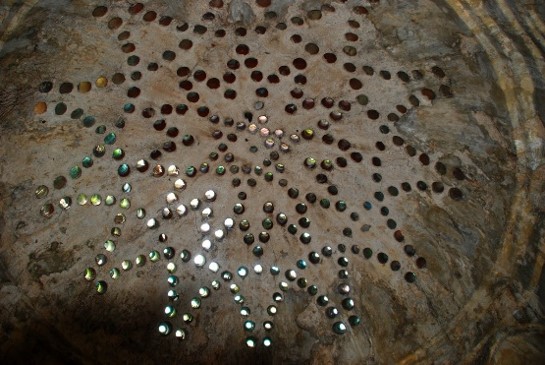
All the rooms are topped by domes with a star like holes covered with glass. The stalactites typical of Mamluk architecture, are here and there.
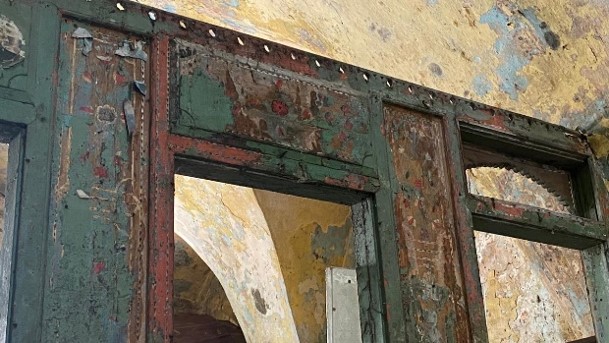
The pavement recalls the Roman style, and the first room has a form of a small chapel having an iconostase of wood with ornamentation. Each room has a performed dome covered with colored local glass. When the sun’s rays enter, the colored glass reflects its colors and gives a wonderful reflection in the heart of the interior halls
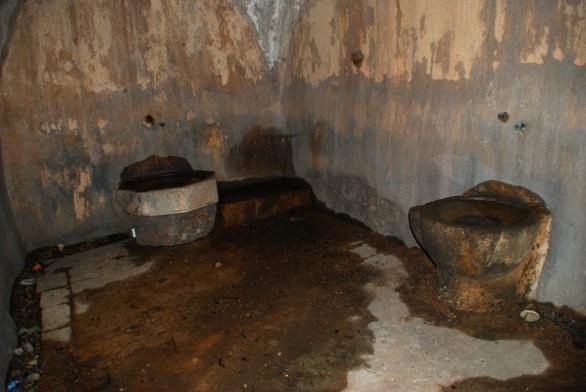
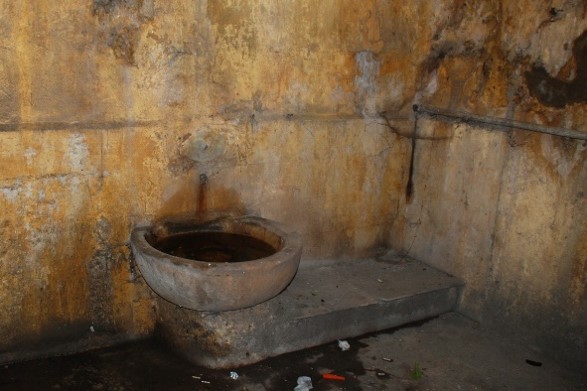
The warmest hall is covered by a dome placed at its corners on three muqarnas columns. In the middle of the hall is a marble terrace with a large area that allows bathers to get massages and scrubs. Around this platform and in the corners of the room specifically, we find six bathrooms. They are small private bathrooms with cubicles. The other part of the hall is represented by the two large wings for families.
As most of Tripoli monuments, it seems that the Nouri bath has as well a composite style mixing Byzantine art due to the pendentive and to the Iconostasis. Originally, we believe the bath was a baptistery church, The domes and the ornamentations are of Islamic style, insinuates the presence of God.
The area on your right hand when you enter is called the altar, reflecting Byzantine art remains.
Al-Nuri Bath is one of the most important forgotten and neglected archaeological monuments in Tripoli.