
The Story Of
Tripoli The Perfumed:
City of Knowledge and Scholars
It is the largest and most important city in the North of Lebanon and the 2nd Capital of Lebanon, located 81 km North of Beirut.
The history of Tripoli dates back to the 14th century BCE, it was called Athar by the Phoenicians, Tripolis by the Greeks & Trablus Al Fayhaa (The Perfumed) in Arabic. Known for its vast orange orchards, the city is blooming and every year in April, the orange fragrance covers the whole city and its suburbs.
Tripoli has also a string of 4 Islands, among them the Palm Islands natural reserve.
The history of Tripoli dates back to the 14th century BCE, it was called Athar by the Phoenicians, Tripolis by the Greeks & Trablus Al Fayhaa (The Perfumed) in Arabic. Known for its vast orange orchards, the city is blooming and every year in April, the orange fragrance covers the whole city and its suburbs.
Tripoli has also a string of 4 Islands, among them the Palm Islands natural reserve.
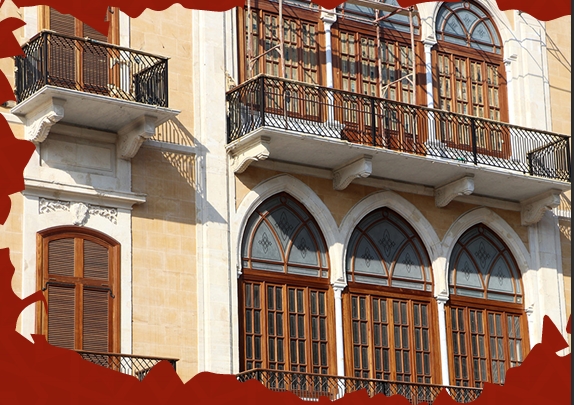
Tripoli
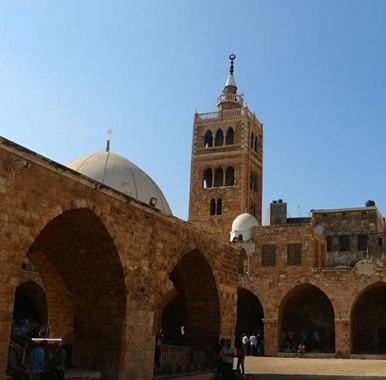
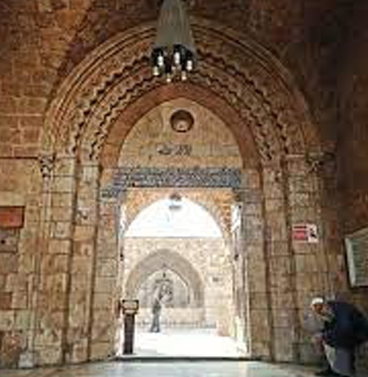
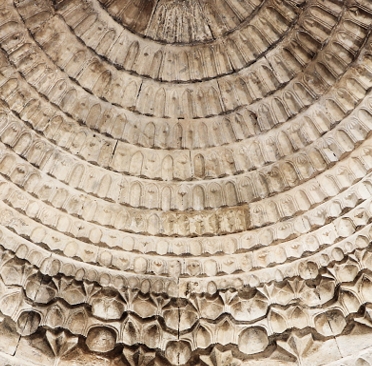
Tripoli
7th CE
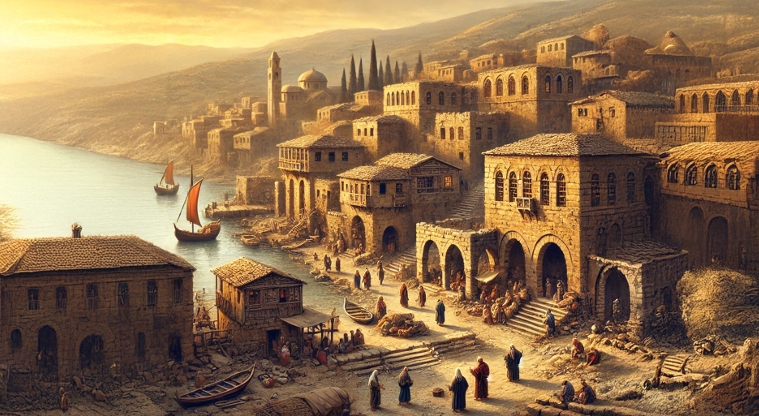
Under the Greeks, Tripoli was used as a naval shipyard and the city enjoyed a period of autonomy. During the Roman and Byzantine period, Tripoli witnessed the construction of important public buildings including a municipal gymnasium due to its strategic position. The earthquake that destroyed Beirut, destroyed as well the Byzantine city of Tripoli.
During the Umayyad rule, Tripoli was the port city of Damascus, it became a commercial and shipbuilding center. It achieved semi-independence under the Fatimid rule. Tripoli developed a very important library and became a center of learning. The Crusaders invaded the city in 1109, they did a massacre that caused the destruction and the burning of its famous library called (House of Knowledge). Tripoli became a County that extended from Byblos to Lattakia, and gained an economic growth, its port was very busy and was a major center of silk weaving exchange. This period of resistance ended with the Mamluks in 1289. A new inland city was then built near the old castle. During the Mamluk period (16th Century), Tripoli port was ranked the first on the Mediterranean coast. Then it fell under the Ottomans and its role started to decline.
The Mamluks destroyed the old city and built a new city 4 km inland. Mamluk city survived to the present day, including mosques, madrasas, Bathes and Khans. Tripoli became a central city ranked third after Aleppo and Damascus. It became a major trading port of Syria supplying Europe with candy, sugar, agriculture and small industry included citrus fruits, olive oil, soap, and textiles (cotton, silk and velvet). Arabs formed the population base, and Tripoli witnessed a high rate of urban growth, the city had seven guard towers on the harbor site to defend the inland city, including what still stands today as the Lion Tower.
Tripoli witnessed a strong presence of French merchants during the 17th and 18th centuries and became under intense inter-European competition for trade. The public works in Ottoman Tripoli included the restoration of the Citadel. Khan al-Saboun (originally a military barrack) was constructed in the center of the city to control any uprising. Ottoman Tripoli also witnessed the development of the southern entrance of the city and many buildings, such as the al-Muallaq or "hanging" Mosque (1559), al-Tahhan Mosque (early 17thC) and al-Tawbah (Mamluk Mosque destroyed by 1612 flood).
After the defeat of the Ottomans in the World War (1914), the French created the territory of Greater Lebanon whose borders separated Tripoli from Syria, a decision that developed a strong identity of Tripoli as a bastion for Muslim Arab Nationalism. Then after the independence 1943, Tripoli turned to a period of decline due to the rise of Beirut.
During the civil war, The Syrian army remained in the city for almost three decades until 2005, Tripoli suffered and lost its Rail Station, its refinery that stopped, and the statistics stated that %58 of the residents live in poverty. Tripoli's stagnation is attributed to its political leaders, although the city has many beaches for tourists, it attracts all kind of beach sports, a full range of monuments mainly from the Mamluk era, a port and airport nearby that does not work unfortunately, the Special Economic Zone (TSEZ) established in 2008 to provide exemptions from many taxes for investment projects, is still out of work... Actually the city is famous for its sweets which represent one of its attraction. Al Hallab shops are shipping sweets boxes worldwide, in addition to many other attractions and sites...