The Khans
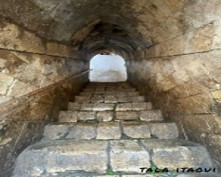
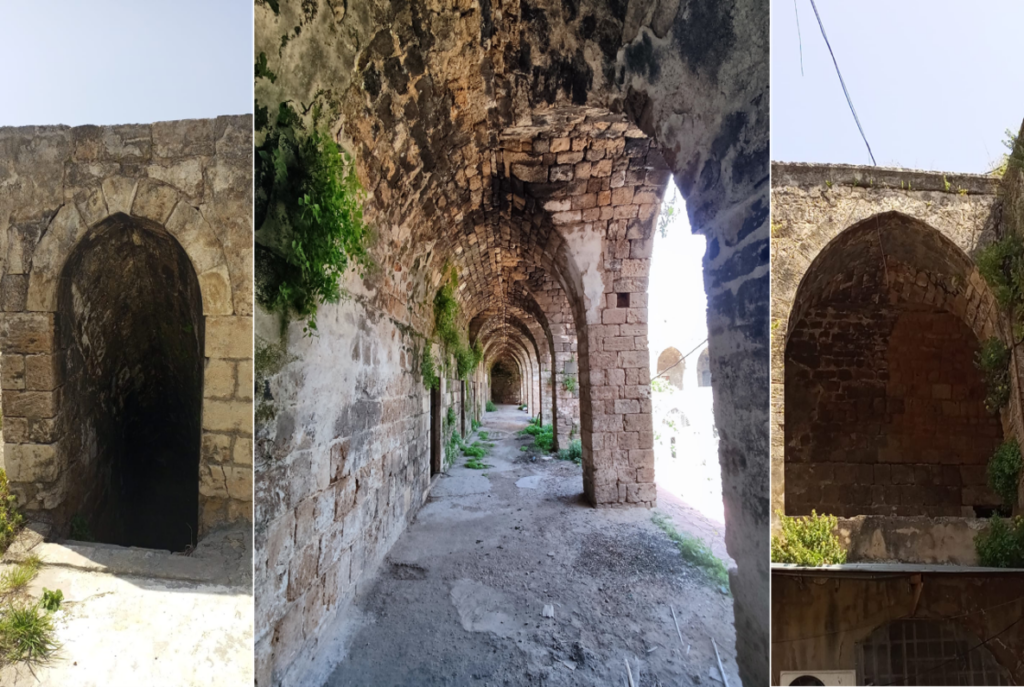
The Khans are meant to be the most important places for the economic life in Tripoli. There, the traders used to come from different areas such as the North Africa & other places to pass some days to sell their products. We have many khans in every souk, the most famous are: Khan Al Masriyin, khan al khayatin, khan al Saboun etc…
KHAN AL ASKAR (SOLDIERS)
Known to be the largest Khan, it is also called the prisoners Khan and the silk Khan. Built at the 14th Century, the style of the Mamluk is evident, however, Ottoman influence followed, and some Crusaders remains revealed an old Christian area that was added to the whole structure. The Ottomans gave a military role to the Khan as a major place to train the army.
KHAN AL KAYATIN (TAYLORS)
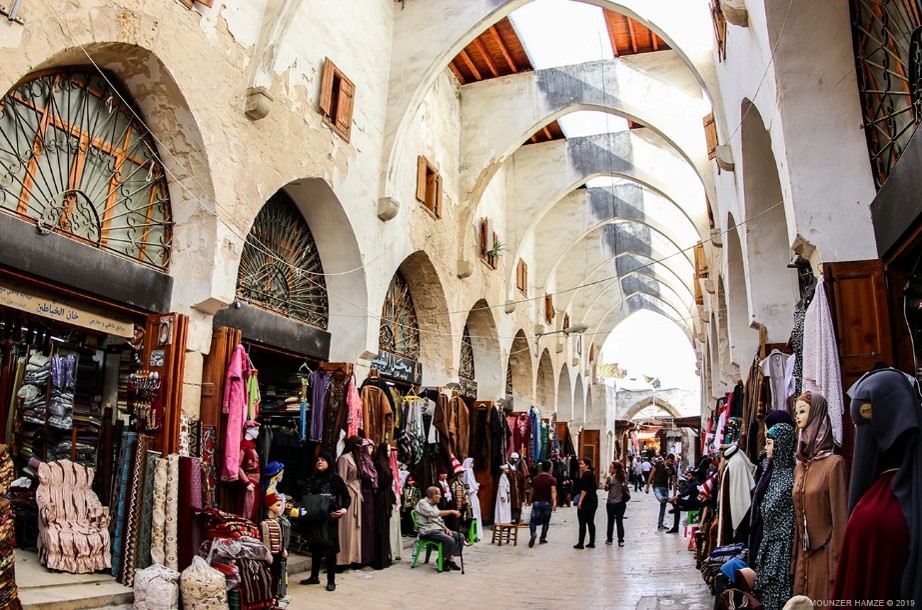
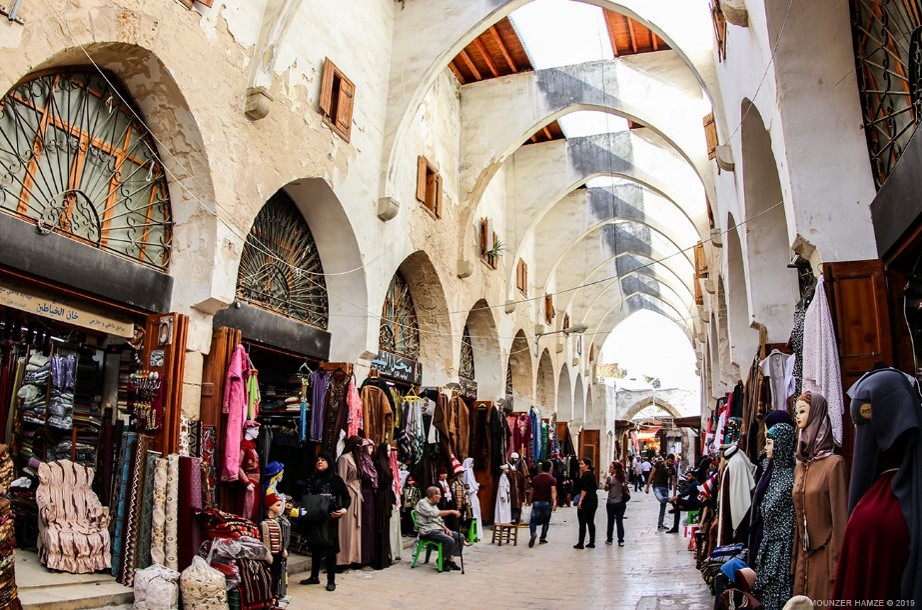
One of the most beautiful khan in the city, it consists of a long alley towards the river and Al Burtasi Mosque, and it is flanked by shops on both sides. The whole structure is wider recalls us of the Ottoman style, having arched gates on each sides and a wooden flat roof instead of the cross arches. This place is also rich in Byzantine remains being close to the Hammam Ezzeddin as well.
As the city was known as well by its silk weaving and other textiles exported to Europe, the khan was a center for the clothing industry. It was called as well the caesarea or roof market during the Romans period.
KHAN AL SABOUN / OF THE SOAPS
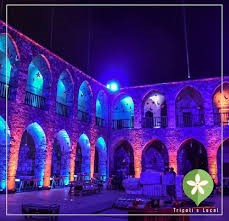
Built around a square courtyard with a fountain in the middle during the late 15th Century, it was used first as a barrack for the Ottoman army, it was turned to a traditional Khan for traders and merchants. Tripoli was known by its olive oil soap production that was exported to Marseille in France which copies the soap traditional production known today as the famous soap of Marseille. The place is an attraction for the tourists as the handcraft factories compete with a range of products and fragrance mixed to the traditional product in order to innovate and to modernize this heritage.
The raw material used for these kinds of soap is olive oil, honey, natural fragrances extracted from flowers, petals, and herbs. The soaps are dried in the sun, in a dry atmosphere, allowing the evaporation of the water that served to mix the different ingredients. The drying operation lasts for almost three months. Then, the craftsmen brushe the soap very carefully to eliminate any kind of oxydation.
Khan AL-KHAYATIN / TAILORS KHAN
Unlike other khans built around a square courtyard, el-Khayyatin, built in the 14th century, is a 60 meter long passage with arches on each side.[47]
KHAN AL MASRIYIN (EGYPTIANS)
Build during the 14TH Century for it is a typical Khan where the Egyptians traders used to exchange their products. It is also known as khan Al ‘’Ajam’’/Foreigners, and It is a smaller size of the Soap khan.
KHAN AL TAMATHILI IN Al MINA CITY
One of the largest khan, built in the Mamluk style, it was renewed by the Ottoman ruler Al Tamathili during the 17th C. The architectural features of the Mamluks are still preserved but in a very bad condition such as the Muqarnasat and entrance gate…