General

picture3

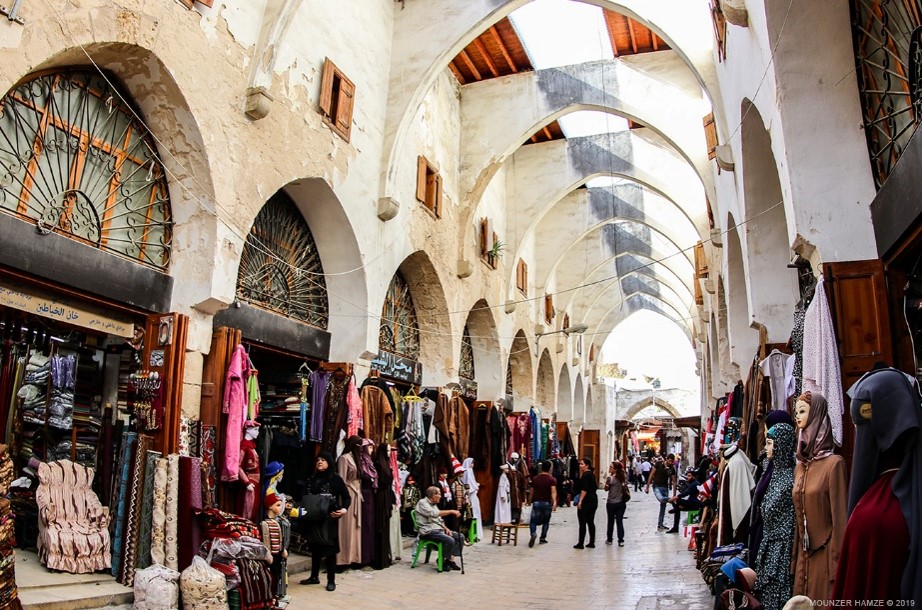
KHAN AL KAYATIN (TAYLORS)

One of the most beautiful khan in the city, it consists of a long alley towards the river and Al Burtasi Mosque, and it is flanked by shops on both sides. The whole structure is wider recalls us of the Ottoman style, having arched gates on each sides and a wooden flat roof instead of

KHAN AL KAYATIN (TAYLORS) Read More »

picture2

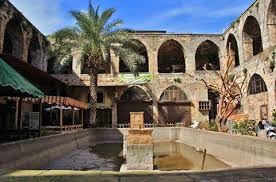
KHAN AL ASKAR (SOLDIERS)

Known to be the largest Khan, it is also called the prisoners Khan and the silk Khan. Built at the 14th Century, the style of the Mamluk is evident, however, Ottoman influence followed, and some Crusaders remains revealed an old Christian area that was added to the whole structure. The Ottomans gave a military role

KHAN AL ASKAR (SOLDIERS) Read More »

picture18

HAMMAM EZZEDINE

The Hamam Ezzeddine in Tripoli, Lebanon, has a rich history, it served as a public bathhouse, offering cleansing and relaxation to locals and travelers alike. Its purpose was not only practical but also social, as it provided a communal space for people to gather and socialize. The Hamam Ezzeddine boasts intricate architectural features characteristic. Arches

HAMMAM EZZEDINE Read More »

picture16

HAMMAM AL JADID

This hammam located in Bab Raml has a bucket on the top of the gate. But the bucket has been broken, only the chain is still hanged made of carved stones. It has the same plan than the other Hammam, but its fountain offers a marvelous way of reflection when walking around.

HAMMAM AL JADID Read More »

picture15

HAMMAN AL ABD

Hammam Al-Abd is a historic hammam with a rich cultural legacy, is a Mamluk style bath. The purpose was a  hub for social gatherings and group activities, in addition hammams were used for socializing, doing business or going to cultural events. It is made up of linked rooms with a lobby space, dressing rooms, and

HAMMAN AL ABD Read More »

picture6

HAMMAM NOURI

Located At the entrance ofLocated in Souk Al Nahassin,  the Goldsmiths Market, close to the Mansouri Mosque, It wasuilt by         Prince Sunqur bin Abdullah Al-Nouri in the year 1310. The bathroom was built in the Mamluk era. The entrance to Hammam Al-Nuri is located under an arch that allows visitors to access a

HAMMAM NOURI Read More »